









































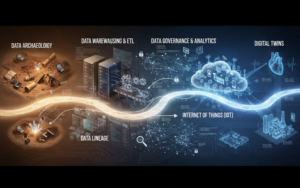
Data lineage is a very important aspect of modern data management. It represents the journey of data as it travels from source to destination. This journey encompasses the entire lifecycle of the data, detailing how it flows through various processes and much more.
What is Data Lineage?
Data lineage is the process of tracking the journey of data as it travels from its source to its destination. It provides clear documentation of the complete lifecycle of data by detailing how it flows through various processes, the transformations it undergoes, and its final use. As a cornerstone of modern data management, data lineage provides a clear, visual record of data provenance that helps organizations understand where data originated, how it changed, and why.
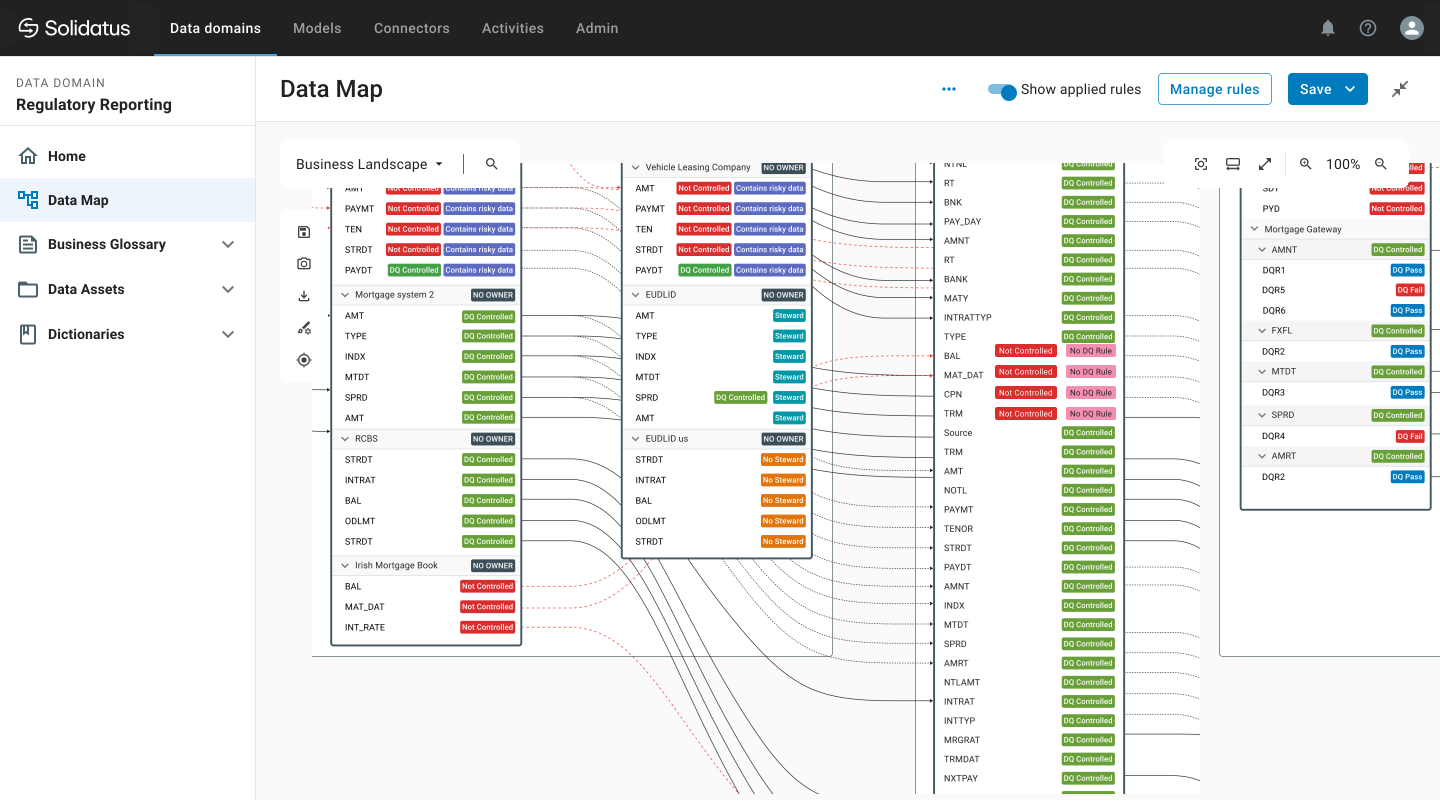
Data lineage can be captured automatically through metadata and visualized at different levels of detail. High-level views show data moving between systems, while granular views track column-level transformations and usage in dashboards and reports. This representation makes lineage analysis accessible to both technical and business users.

How Data Lineage Works
Data lineage works by recording each stage of the data lifecycle so organizations can trace information with confidence. It provides a continuously updated record that shows:
- Origin: Where the data is created in a source system.
- Movement: Track the movement of data through an organization, including between databases, data lakes, and cloud storage.
- Transformation: How the data is processed or altered through steps like ETL (Extract, Transform, Load).
- Storage: Documentation of where the data has been stored along the way.
- Access: Documentation of when and where the data has been accessed.
- Metadata: Records of other vital information, such as data type, format, structure, author, and dates of creation or modification.
Data lineage is not just about tracking data or a documentation of data flows and paper trails. It a solution that helps organizations by:
- Understanding processes and dependencies involved in data flow, whether cloud-based or within a physical premises.
- Mapping direct and indirect relationships between data entities to provide a comprehensive view of the data landscape.
- Identifying and addressing blind spots with complete visibility into data flows.
- Ensuring ethical, compliant, and efficient data management through detailed mapping.
- Supporting informed decision-making by clarifying dependencies and interactions within data systems.
- Assessing the impact of changes in data algorithms on reports and forecasts.
- Clarifying the usage and purpose of regulated data, ensuring alignment with governance requirements.
- Guiding testing strategies for new database applications with greater accuracy.
- Enabling cloud migration planning without jeopardizing existing systems.
Simply put, data lineage empowers organizations to fully utilize their data and unlock its potential. Utilizing it successfully can lead to:
- Enhanced infrastructure optimization
- Better operational efficiency
- Minimized risk
These are all things that align perfectly with Solidatus’ commitment to intelligent data management and discovery.
Why is Data Lineage Important?
Reliable, automated data lineage is crucial in modern data management because it provides transparency into the data’s journey from its origin to its final destination, highlighting every transformation and process it undergoes. This transparency ensures accuracy and trustworthiness of data, supports compliance, improves efficiency, and helps troubleshoot issues faster.
Using a powerful data lineage tool gives both business analysts and IT professionals visibility into the data’s correctness and streamlines the management process by automating lineage extraction, moving away from manual, time-consuming methods.

Data lineage is essential in five key areas that help the business succeed:
- Regulatory Compliance: Data lineage is indispensable for adhering to regulatory standards, offering a detailed record of data origins, modifications, and usage. This aspect is crucial for responding to audits and ensuring that data handling meets legal requirements.
- Operational Efficiency: By automating data mapping and reducing the need for manual impact analysis, data lineage tools significantly save time and resources. They enable a more proactive approach to managing data changes, thereby enhancing overall operational efficiency.
- Data Security and Privacy: In the realm of data privacy and security, data lineage provides an essential framework. It helps organizations track the flow of sensitive data, ensuring alignment with policies and controls, and identifying potential risks in data flows.
- Data Analytics and Customer Experience: For data analytics and customer experience initiatives, understanding the flow and transformation of data is key. Data lineage supports these efforts by providing a clear map of data dependencies and interactions, aiding in gap identification and resolution.
- Change Management: Furthermore, data lineage is instrumental in successful cloud data migrations and modernization projects. It allows for a deeper understanding of data relationships and dependencies, facilitating effective change management and minimizing risks associated with data transformation. In summary, data lineage is not just about tracking data; it’s about empowering organizations to make informed decisions, ensuring compliance, enhancing security, and driving efficiency. These benefits align seamlessly with Solidatus’s dedication to providing intelligent solutions for data management and discovery.
What Specific Issues Can Data Lineage Address?
Data lineage, a vital aspect of contemporary data management, offers insightful solutions to numerous queries within an organization.
It’s not just about tracing data’s path.
It’s about understanding its journey and impact.

Some Key Questions that Data Lineage Helps to Answer:
- Regulatory Compliance and Governance
Data lineage illuminates which segments of your enterprise’s data require governance to comply with both local and industry-specific regulations. This insight is crucial for maintaining legal and ethical standards in data handling. - Customer Experience Development
It identifies the data sources containing personal information crucial for crafting new customer experience strategies. Understanding how this sensitive data is spread across your organization is key to developing targeted and effective initiatives. - Cloud Migration Decisions
Data lineage aids in determining the suitability of data for cloud migration and general change management. It provides insights into how such a move would impact user experience and ensures that data migration aligns with organizational data governance policies. - Data Quality Management
It helps in tracking how data quality evolves through various stages of processing. This is essential for maintaining high standards of data integrity and reliability across the organization. - Advanced Analytics Support
For data scientists, data lineage boosts confidence and trust in the data used for advanced analytics. It ensures that the data is accurate, up-to-date, and relevant, thereby enhancing the quality of analytical insights for decisions and reporting.
By addressing these questions, data lineage not only aids in strategic decision-making but also aligns perfectly with Solidatus’s commitment to intelligent data management and discovery. It empowers organizations to utilize their data assets effectively, ensuring compliance, enhancing operational efficiency, and minimizing risks.
What Are the Main Types of Data Lineage?
Data lineage, a key component of modern data management, can be categorized into three main types: business lineage, technical lineage and end-to-end Lineage. Each type serves a unique purpose and caters to different aspects of data management, aligning with the comprehensive data lineage solutions offered by Solidatus.

Business Lineage
This form of lineage is designed for simplicity and accessibility, primarily catering to business analysts. It provides a high-level overview, illustrating the journey of data from its source to the final report. This summary view is crucial for analysts who need to verify the reliability of their data sources without getting entangled in the intricate details of every data alteration. Business lineage is about offering a clear, interactive map that traces data flows, ensuring that the data used is dependable and sourced correctly.
Technical Lineage
In contrast, technical lineage delves into the finer details, tailored for IT professionals and data architects. It offers an in-depth view of data transformations and allows users to drill down to specific details like table, column, and query-level lineage. This detailed perspective is essential for navigating complex data pipelines and understanding the nuances of data transformations. Technical lineage provides a comprehensive view, enabling IT experts to manage and architect data with precision.
When combined, business and technical lineage offer an integrated view of an organization’s data landscape. This dual approach ensures that data citizens across various departments and roles have the necessary tools and insights to make accurate and informed business decisions. By integrating both business and technical perspectives, data lineage tools facilitate a more nuanced and effective approach to data management, aligning with Solidatus’s vision of empowering organizations through intelligent data solutions.
Data Lineage Best Practices
To implement data lineage, organizations first need to define their goals, inventory data assets, and select tools that can capture metadata from sources, transformations, and outputs. With a governance framework in place and continuous monitoring, data lineage can be embedded into workflows to improve quality, compliance, and efficiency.
Implementing and planning data lineage requires a strategic approach to ensure effective data management, aligning with the intelligent solutions provided by Solidatus.
Here are some best practices to consider:

Embrace Automation for Data Lineage Extraction
In today’s fast-paced and ever-changing data environment, relying on manual methods like Excel for capturing data lineage is outdated. Automation is key to keeping up with the dynamic nature of data, ensuring that lineage is captured accurately and efficiently.
Incorporate Metadata Sources in Data Lineage
Data lineage should include metadata from various sources such as ETL software, BI tools, relational database management systems, modelling tools, and custom applications. This metadata is crucial for a comprehensive understanding of your data’s journey from its origin to its destination.
Engage Metadata Source Owners
Collaboration with the owners of metadata sources is essential. These individuals have the best understanding of the metadata’s timeliness, accuracy, and relevance. Their involvement is crucial in verifying and ensuring the integrity of data lineage.
Plan for Progressive Metadata and Data Lineage Extraction
Mapping out the data’s path through your systems is the first step. Following this, progressively extract metadata and data lineage from each system. This methodical approach simplifies the mapping of connections, relationships, and dependencies within and among systems.
Validate Lineage in Stages
Begin with validating high-level connections between systems, then progressively drill down into datasets and data elements. The final step should be the validation of transformation-level documentation. This staged approach ensures thoroughness and accuracy in lineage validation.
Utilize an Enterprise-class Data Catalog
For comprehensive, end-to-end lineage that spans both cloud and on-premises environments, an enterprise-class data catalog is indispensable. Choose a catalog that can automatically integrate lineage from all enterprise sources. This should include capabilities for extracting and inferring lineage from metadata, ensuring a granular and complete lineage view.
The Benefits of Data Lineage for your Business
In the era of data-driven decision-making, understanding the journey and integrity of your data is paramount.
Data lineage, a key component of intelligent data management, ensures transparency, traceability, and accountability by documenting metadata at each step of the data journey. This visibility strengthens data quality, supports compliance with regulations, and enables faster debugging when issues arise.
For businesses, effective data lineage underpins stronger governance, more accurate analytics, and better decision-making by offering a clear view of how data evolves across systems.
Here’s how data lineage can be a game-changer for your business:

Business Lineage
This form of lineage is designed for simplicity and accessibility, primarily catering to business analysts. It provides a high-level overview, illustrating the journey of data from its source to the final report. This summary view is crucial for analysts who need to verify the reliability of their data sources without getting entangled in the intricate details of every data alteration. Business lineage is about offering a clear, interactive map that traces data flows, ensuring that the data used is dependable and sourced correctly.
Enhanced Regulatory Compliance and Risk Management
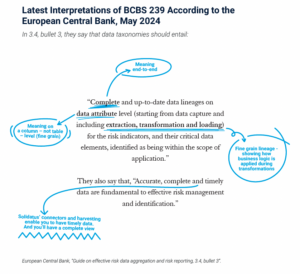
Truly Automated Data lineage is instrumental in navigating the complex landscape of regulatory compliance. By providing a detailed map of data flows, it enables organizations to adhere to standards like BCBS239, CCPA, GDPR, and more. This comprehensive visibility not only aids in audit trails and risk assessment but also significantly reduces the risk of non-compliance penalties.
In-depth Understanding and Trust in Data
Data lineage demystifies the data journey, offering clarity on its origin, transformations, and quality. This transparency is crucial for business users, ensuring that the data driving business decisions is accurate, complete, and reliable. It fosters a culture of trust in data, which is fundamental for insightful decision-making.
Streamlined Impact Analysis
Our data lineage technology revolutionizes impact analysis, allowing IT teams to efficiently trace changes in data across systems. This automation saves significant time and resources, previously consumed by manual analysis, enhancing productivity and allowing IT professionals to focus on strategic initiatives.
Accelerated Incident Prevention and Resolution
Data lineage contributes significantly to IT resilience. It aids in predicting and preventing incidents, whether they stem from cyber threats, natural disasters, or infrastructure failures. By providing a clear view of data dependencies and transformations, lineage tools enable quicker identification and resolution of data-related issues.
Optimized Data Migration and Cloud Integration
As businesses increasingly move towards cloud-based solutions, data lineage simplifies the migration process. It ensures a thorough understanding of data dependencies, facilitating smoother transitions with minimal disruption. This efficiency is critical in leveraging cloud technologies effectively and economically.
Empowerment of Data Engineering and Analytics Teams
Effective data lineage strategies alleviate the burden of routine tasks from data engineers and scientists. By automating data tracking and providing self-service access to data origins and lineage, these tools enable faster onboarding and integration of new team members, enhancing the overall productivity and stability of data operations.
Building Trust and Confidence in Data Governance
In today’s complex data environments, having a comprehensive overview of data sources and flows is essential. Automated Data lineage offers this overview, ensuring accurate reporting and solidifying confidence in the organization’s data management strategy. This trust is crucial for stakeholders who rely on data for critical business decisions.
Facilitating Effective Change Management
Automated Data lineage plays a vital role in change management processes. It provides the visibility needed to understand the impacts of proposed changes, aiding in securing executive support and ensuring alignment across the organization. This visibility is key to managing multiple changes simultaneously, reducing the complexity associated with interconnected data systems.
Data Lineage Examples & Use Cases
Data lineage, a fundamental aspect of intelligent data management, offers versatile applications across various enterprise domains.
Its ability to provide clarity and context to data’s journey makes it an invaluable tool for addressing a range of organizational needs.
Common Data Lineage Examples
Consider a financial transaction processed by a retail bank. A customer makes a payment with their debit card (origin). The transaction data is sent through a fraud detection engine and enriched with geolocation data (transformation). It is then stored in the bank’s core accounting system (destination) and later used in monthly compliance reports and customer account dashboards.
At each step, metadata documents the source of the transaction, any transformations, and when the data was accessed. This transparency allows banks to detect errors quickly, ensure regulatory compliance, and maintain customer trust.
Key use cases where data lineage proves its worth:

Streamlining Regulatory Compliance
In the complex regulatory landscape, data lineage is a beacon of clarity. It simplifies compliance with regulations like BCBS 239, GDPR, and CCPA. By offering a comprehensive view of data, including its origins and transformations, organizations can swiftly generate detailed reports for regulatory scrutiny. Automated mapping further enhances this capability, ensuring that data across the organization and in third-party sources is transparent and compliant.
Empowering Self-service Analytics
Data lineage elevates the accuracy and reliability of analytics. It provides business analysts with crucial insights into data’s origins and transformations, enabling them to understand the full context of the data they use. This enriched understanding ensures that the data driving business decisions is not just accurate but also complete and trustworthy.
Facilitating Impact Analysis
With data lineage, conducting granular-level impact analysis becomes more intuitive. Organizations can leverage lineage diagrams to identify and understand the effects of changes at various levels, such as tables, columns, or business reports. This capability is essential for assessing and managing the ripple effects of data modifications.
Enhancing Data Exploration and Viability
Data lineage plays a pivotal role in improving data discovery capabilities. It aids in identifying and validating critical data elements, thereby ensuring more accurate analytics and informed decision-making. This aspect is particularly crucial in environments where data is vast and varied.
Assisting in Rationalization and Cloud Migration
As organizations move towards modern data infrastructures, data lineage is a critical ally. It aids in planning and executing data modernization projects, such as migrating data warehouses to the cloud. By identifying and documenting essential data elements, data lineage ensures a smooth and efficient transition to cloud-based systems.
Optimizing Asset Management
In asset management, data lineage helps in pinpointing the most and least valuable data assets within an enterprise. This identification process is key to optimizing the use and governance of data, ensuring that resources are allocated to data assets that offer the highest return on investment.

Written by: Philip Dutton
Co-Founder & CEO at Solidatus Philip is a Senior System Architect and Project Manager with over 20 years’ experience within Financial Services.

Newsletter
Subscribe for latest news, blogs and resources.